
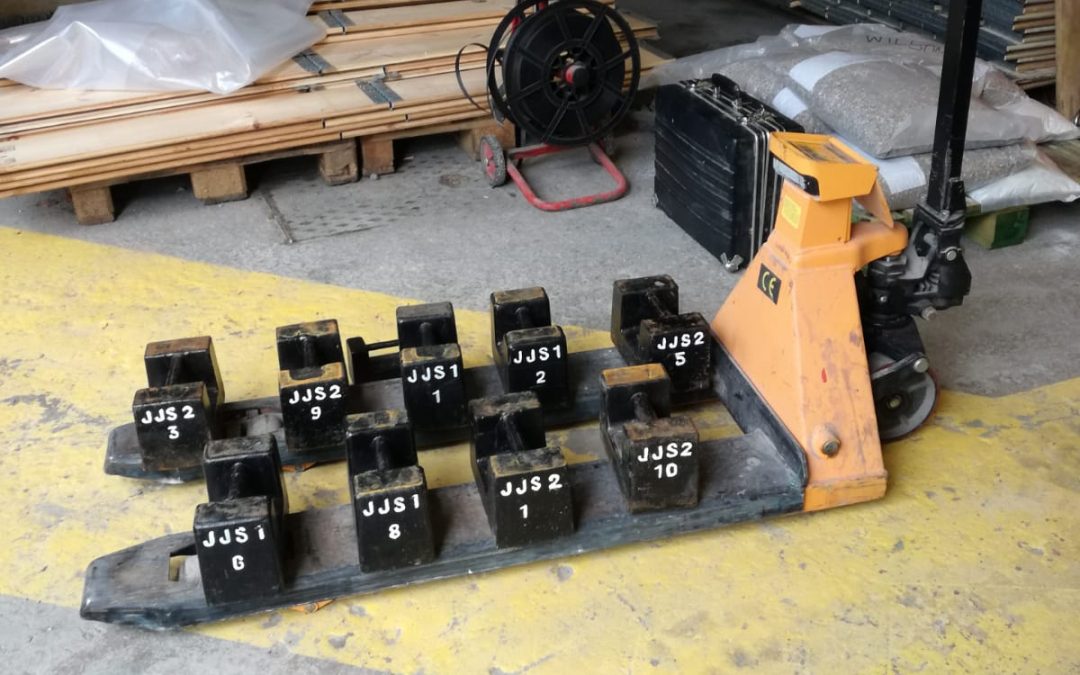
The weighing must be accurate in the logistics, laboratories, food production, retail, and manufacturing industries. The slightest mistake may cause the monetary loss, quality problems, or even accidents. This is why your scales need to be serviced and calibrated on a regular basis in order to ensure that they are functioning properly and always in the same way. A significant number of businesses in search of professional assistance and scale calibration Swindon would seek to know what exactly occurs during the calibration process, and why it is important to their operation.
What Is The Use of Scale Calibration?
A calibration assures a scale to give correct readings with reference to certified test weights. Scales naturally lose their precision over time due to daily use or other environmental influences, or mechanical breakdown. Calibration aids to recover the accuracy, induce compliance and avert deficiencies that might interrupt the operations of daily existence.
What Happens During a Service & Calibration Appointment?
The service of professional calibration and weighing scale generally includes the following:
Initial Inspection
The technician starts by testing the physical state of the scale, load cells, wiring, platform stability and display performance. One identifies any visible problems that may arise prior to testing.
Accuracy Testing
The test weights are certified and put on the scale to examine the similarity of the reading with the actual value. This is done at varying weight levels to determine the existence of any calibration drift or inconsistency of performance.
Adjustments & Corrections
In case the readings indicate differences, the technician makes adjustments to remove the flaws. In the case of digital models this can be form of an internal recalibration setting whereas in mechanical systems, physical alignment is required.
Final Verification
The test undergoes a repeat after corrections to ensure that the scale is accurate as required and has met legal standards in legal jurisdictions.
Documentation
An audit, insurance or quality control record is provided with a calibration certificate or service report, which demonstrates that the measurements were in compliance with the standards.
When Do you know a Scale has to be Calibrated?
Common signs include:
-
Readings vary or fluctuate irregularly.
-
Scale does not pass to zero empty.
-
Measures are dissimilar to the familiar items.
-
The messages of error or warning are shown on the screen.
-
Scale has recently been relocated, dropped down or fixed.
In case of any of these, timely servicing can be used to avoid additional losses and save on unnecessary expenses in terms of time and money.
The Benefit of Professional Calibration
-
Guarantees business accuracy and reputation.
-
Avoids breakdowns and high costs of repairs.
-
Checks that it is in line with industry regulations.
-
Extends equipment lifespan
-
Enhances efficiency and safety at the workplace.
Those companies that seek quality technical assistance and scale calibration services are confident that the certified equipment and approved procedures applied by qualified engineers ensure that performance is accurate and reliable in Gloucester.
Choose Expert Support for Accurate Results
JJ Scales offers professional servicing, calibration and testing as well as certification of any kind of industrial, commercial and lab weighing equipment. Our senior technologists assist businesses to work confidently and with accurate consistency.